
How to Buy Japanese Anime Goods in Bulk
Japanese anime figures, character goods, model kits and trading-card products have strong international demand, but bulk sourcing requires careful attention to authenticity, release schedules, case quantities, packaging condition and resale rights. The best sourcing method depends on whether you need current wholesale products or discontinued collectible inventory.
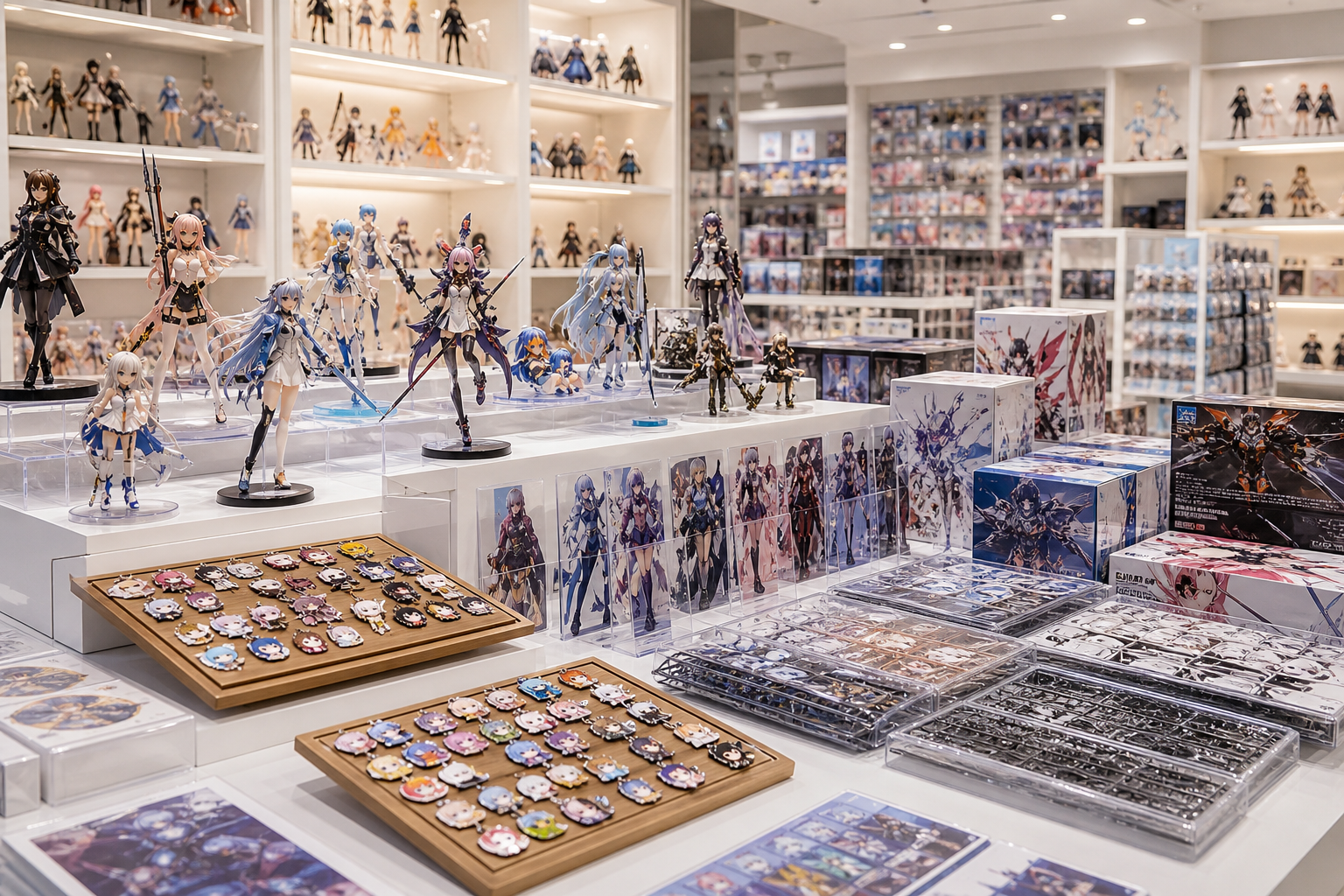
1. Define the product segment
“Anime goods” is too broad for an effective sourcing request. Choose a narrower segment and specify the brands, titles, characters, price range and customer profile.
- Scale figures and prize figures
- Plastic models and hobby kits
- Trading cards and sealed products
- Plush toys, acrylic stands and small character goods
- Vintage or discontinued collectibles
- Limited-event and store-exclusive products
2. Choose wholesale, retail or secondary-market sourcing
Current products may be available through manufacturers, authorized distributors or hobby wholesalers. Retail purchasing can work for samples and limited releases but may not provide a stable margin or repeat supply. Mercari, Yahoo Auctions and specialist second-hand stores can provide discontinued goods, although quantity and condition vary.
| Channel | Best for | Main limitation |
|---|---|---|
| Authorized wholesale | Current products and repeat ordering | Business review, MOQ and territory conditions |
| Japanese retail | Samples, small tests and limited releases | Retail pricing and purchase limits |
| Secondary market | Rare, discontinued and mixed inventory | Variable availability, condition and authenticity risk |
3. Confirm MOQ, case packs and release timing
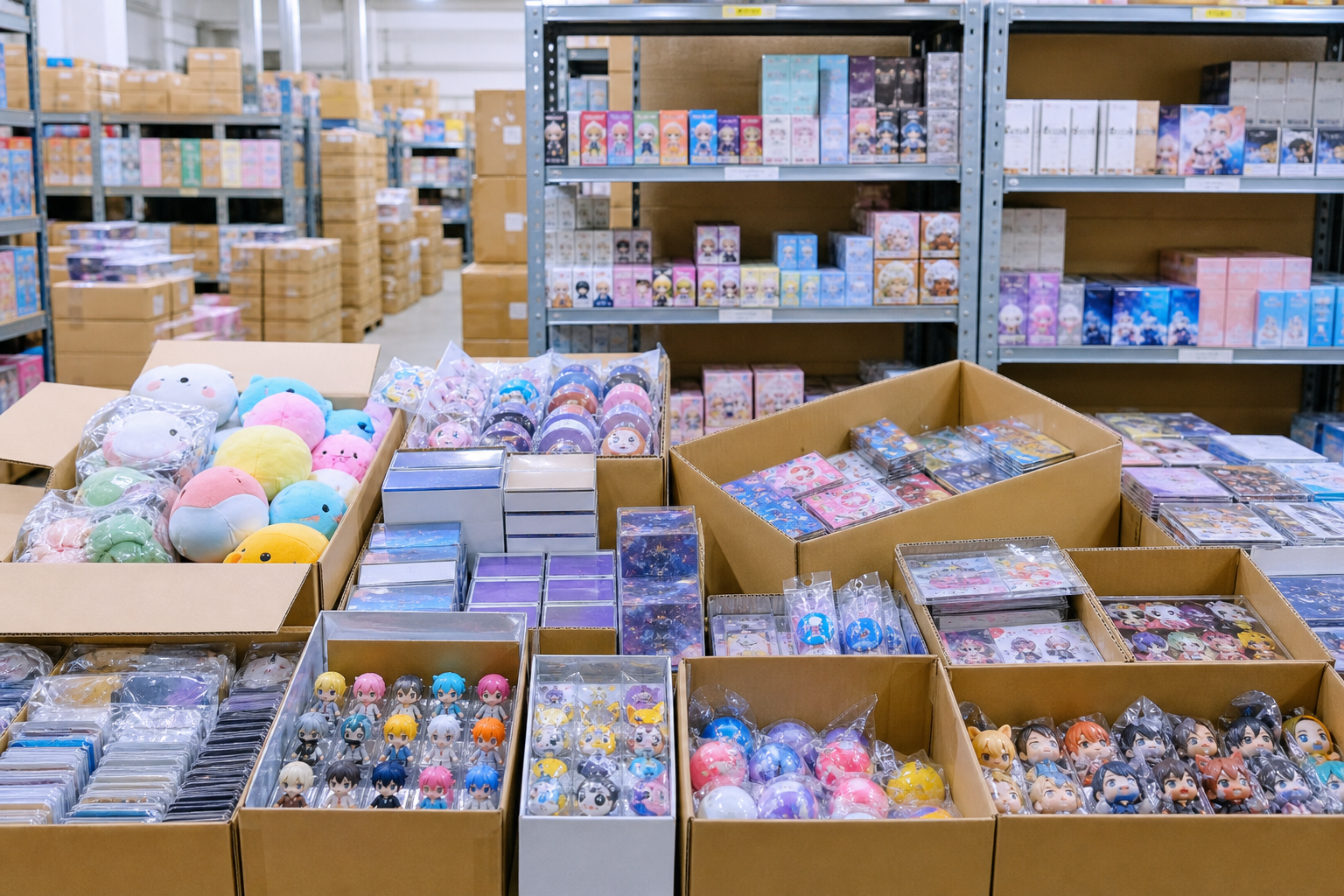
Wholesale anime products are often ordered before release and may be packed in fixed case quantities. Ask about order deadlines, allocation, production delays, cancellation terms and whether the supplier can accept repeat orders after launch.
- MOQ per SKU and total order
- Units per inner box and master carton
- Preorder deadline and expected release month
- Allocation or quantity reduction rules
- Payment schedule
- Domestic delivery timing
- Export or territory restrictions
4. Protect against counterfeit and unauthorized goods
Use established suppliers, retain invoices and compare packaging, manufacturer information, copyright marks and JAN codes where applicable. A low price without credible supply history is not evidence of a good wholesale opportunity.
5. Set packaging-condition standards
Collectors often value the box almost as much as the product. Define whether minor corner wear, price stickers, faded packaging, opened inner bags or missing inserts are acceptable. For trading cards, specify sealed-box, sealed-pack or individual-card requirements and the acceptable grading standard.
6. Order samples or a small mixed lot
A small order can test demand across several titles while confirming the supplier’s packing quality and your true international shipping cost. Avoid using a sample result from one compact item to estimate freight for bulky figures or plush goods.
7. Plan consolidation and dimensional weight
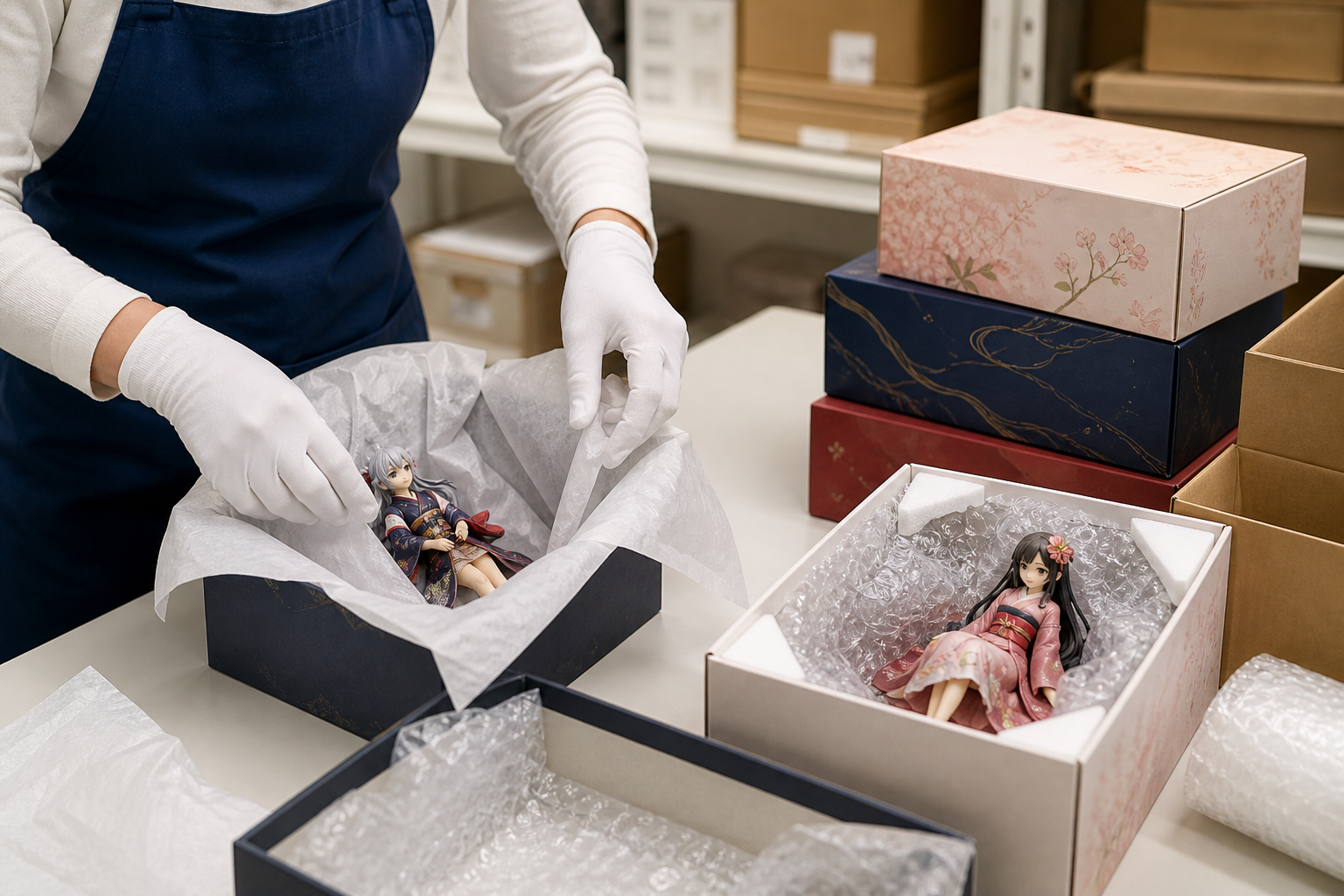
Anime goods can be lightweight but bulky. Combining purchases may reduce repeated base charges, yet a larger carton can increase dimensional weight. Protect corners, separate heavy model kits from fragile figure boxes and decide whether original shipping cartons should be retained.
See our Japan package consolidation guide for the questions to ask before shipping.
8. Calculate a safe landed-cost target
Include the unit price, Japan domestic shipping, sourcing fee, inspection, packing, international freight, import taxes, payment charges and marketplace selling fees. Add an allowance for box damage, slow-moving characters and price changes after release.
9. Build a release and replenishment calendar
Maintain a calendar of preorder deadlines, release dates, expected warehouse arrival and planned international shipments. For repeatable goods, record MOQ and reorder conditions. For secondary-market items, create model-level maximum prices and condition rules.
Source anime goods from Japan
Tell us the titles, product types, target quantity, price range and destination country. We can research Japanese sourcing options and contact potential suppliers.